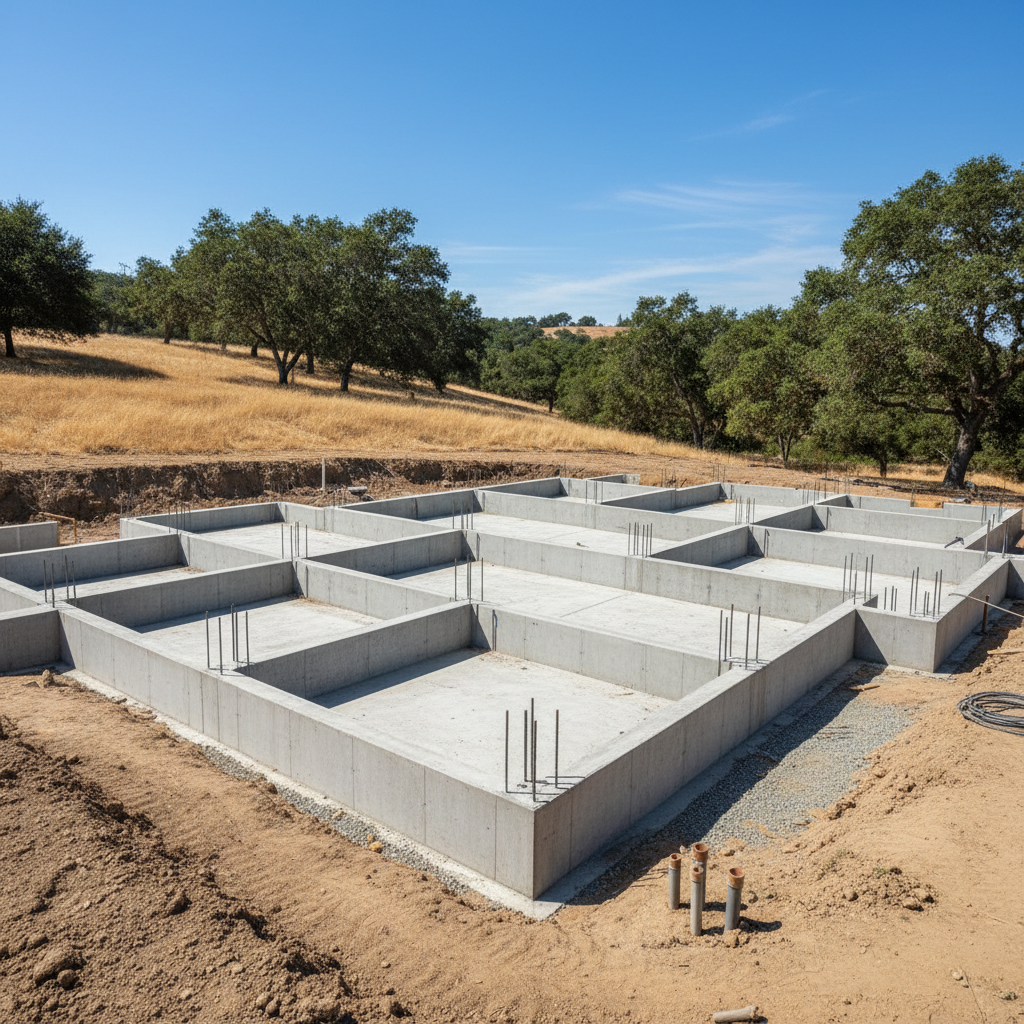
Pouring a new foundation is not something you rush, especially around here. If you are building on the heavy clay soils typical of Professorville or dealing with the tight setbacks in Crescent Park, your foundation project requires serious logistical planning. Palo Alto Custom Homes sees many homeowners jump into construction without understanding the actual timeline or what living through the heavy excavation phase looks like. We will walk through how to plan your foundation build step-by-step so you do not get caught off guard.
What the Timeline Actually Looks Like
People always ask how fast we can pour concrete. The truth is, the actual pour only takes a day, but getting there takes weeks. You are looking at a process that generally spans four to eight weeks from the day we break ground to the moment the concrete cures enough for framing. Permit approvals through the City of Palo Alto can add months before that even starts, so you need to factor municipal review into your master calendar.
- Site clearing and demolition: 3 to 5 days.
- Deep excavation and utility rough-ins: 1 week.
- Formwork, rebar placement, and city inspections: 1 to 2 weeks.
- The pour and initial curing: A few days for the pour, plus at least a week of wet curing before forms come off.
What to Expect During Construction
Things get loud and messy right at the start. Heavy machinery has to navigate your street, and if you live on a narrow lane in Old Palo Alto, getting a concrete pump truck parked safely takes coordination. Dust will happen, and your yard is going to look torn up. Palo Alto Custom Homes always tells homeowners to plan to protect existing landscaping they want to keep. You will also have a string of municipal building inspectors visiting the site regularly to sign off on rebar depth and setback compliance before a single drop of concrete goes into the forms.
Preparing Your Site and Your Neighbors
A little courtesy goes a long way with your neighbors before the excavators show up. Let them know when the heavy trucks are coming. On your end, make sure your contractor has clear access to water and power hookups on the property. Clear out any personal items stored near the build zone, and make a plan for where your pets will stay on the days when the ground is shaking from compaction equipment.
Questions to Ask Before You Sign
Before you hand over a deposit or sign a construction contract for your foundation, grill your builder with a few specific questions. Do not skip this part.
Are you accounting for local soil expansion rates in your engineering design? How do you handle unexpected groundwater if we hit a high water table during excavation? Who pulls the permits and manages the mandatory city engineering inspections? What is your exact plan if rainy weather hits mid-excavation?
Getting these answers in writing ensures your project stays solid from the ground up, avoiding costly surprises down the road.