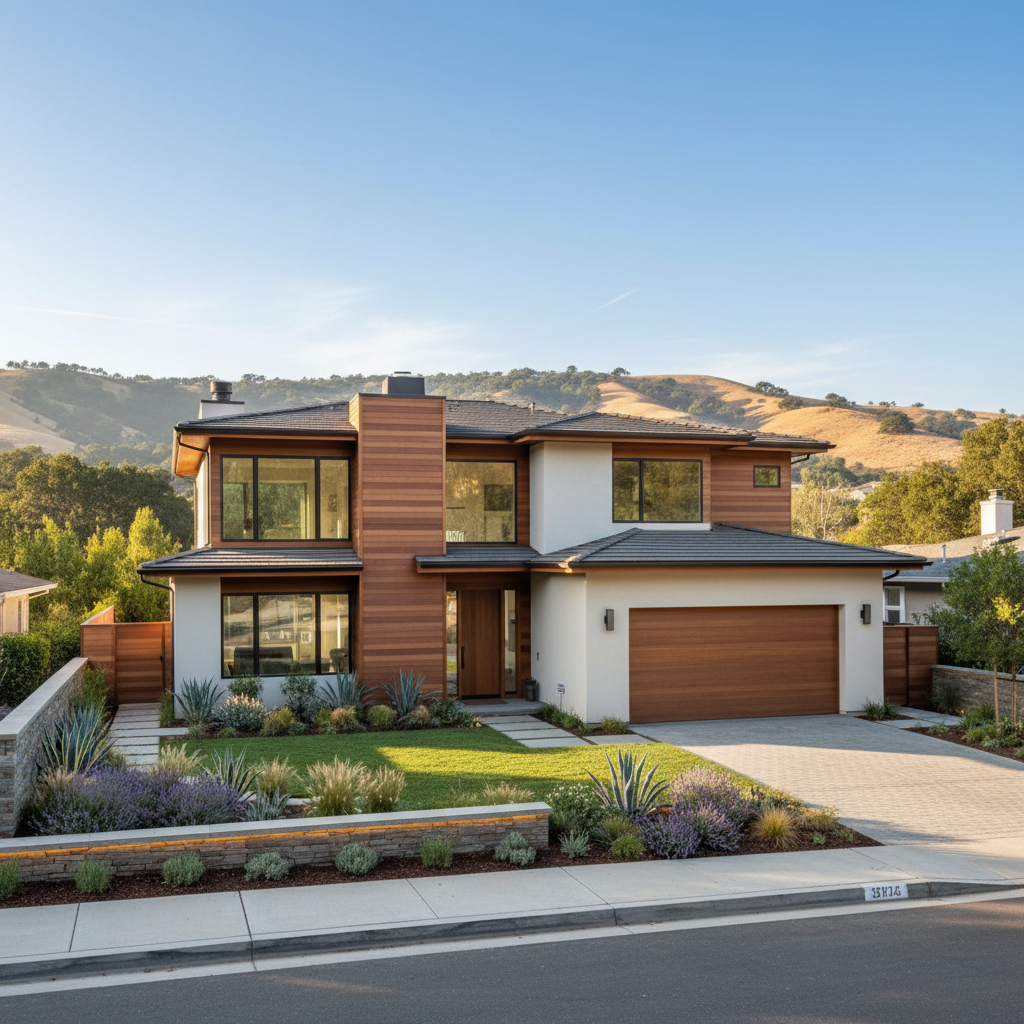
So, you're finally ready to build that custom home you've been dreaming about right here in Palo Alto. That's a really exciting step! But let's be honest, picking the right custom home builder isn't quite like choosing your morning coffee spot. It's a massive decision, and you absolutely want to get it right. After 25 years in this business, I've seen countless projects come and go. I've definitely learned a thing or two about what makes for a great partnership and, frankly, what spells trouble. Here's my take on how to approach this whole process, what questions to ask, and what you should really keep an eye out for.
What to Ask Potential Builders
When you're sitting down with a potential builder, don't hold back. This is your future home we're talking about, after all. You need to really dig deep. Here are some questions I'd make sure to hit:
- How many custom homes have you finished in the Palo Alto area over the last five years? You want someone who really understands our local rules, the city's permitting process, and even things like the specific soil conditions around here — especially if you're building in an area known for a lot of clay.
- Can you give me a list of references? I'm looking for past clients and at least three subcontractors you regularly work with. Don't just collect names; actually call them. Ask the clients about how communication went, if they stuck to timelines and budget, and if they were generally happy. Ask the subs if they get paid on time and if the builder runs an organized job site.
- What's your typical project timeline for a home similar to what I'm imagining? From breaking ground to moving in? Sure, every project is unique, but they should be able to give you a pretty realistic range.
- How do you handle change orders? What's the process, and what are the costs involved? Changes happen, that's just a fact of building. It's how they manage them that truly matters. You definitely don't want any nasty surprises here.
- What kind of warranty do you offer on your work? A good builder will stand behind their craftsmanship. Get all the specifics in writing.
- How do you keep me updated on project progress? How often can I expect to hear from you, and in what way? Some builders prefer weekly calls, others use special project management software. Just make sure their communication style fits yours.
- Are you licensed, bonded, and insured? Can I see proof of all three? This isn't optional, folks. It's absolutely non-negotiable for your protection.
Deciphering a Quote: More Than Just the Bottom Line
You'll get quotes, and they'll probably all look a bit different. Don't just compare the final number. That's a rookie mistake, honestly. A good quote should be detailed and totally transparent. Here's what I always look for:
- Line-Item Detail: Does it break down costs for the different stages? Foundation, framing, electrical, plumbing, finishes, permits, site prep — all of it should be there. If it's just one big lump sum, that's a problem.
- Allowances: Many quotes will include allowances for things like light fixtures, cabinets, or flooring. Make sure these allowances are realistic for what you envision. If they're too low, you're almost guaranteed to go over budget. Ask what the builder's typical clients usually spend on these items.
- Payment Schedule: How are payments set up? Is it based on hitting certain milestones or a fixed calendar? Be really careful with builders who demand a huge upfront payment before any actual work has even started.
- Exclusions: What's *not* included? This is just as important as what *is*. Landscaping, specific appliances, window treatments — you need to know exactly what you'll be responsible for buying yourself.
- Contingency: A smart builder will often include a contingency fund (usually 5-10% of the total project cost) for those unexpected issues that always pop up. It's a sign of realistic planning, not some hidden fee.
Red Flags You Can't Ignore
I've seen homeowners get burned because they either ignored their gut feelings or just overlooked some pretty obvious warning signs. Don't let that be you. Here are some big red flags:
- Vague or Incomplete Contracts: If the contract is short on specifics, uses really generic language, or doesn't spell out materials or timelines, just walk away.
- High-Pressure Sales Tactics: A truly reputable builder won't try to rush you into signing anything. They'll give you plenty of time to review everything.
- Demanding Large Upfront Payments: As I mentioned, a small deposit is normal, but anything over 10-15% before work even begins should make you very, very suspicious.
- Unwillingness to Provide References or Proof of Insurance/Licensing: This is an absolute deal-breaker. No excuses.
- Poor Communication: If they're hard to reach during the vetting process, just imagine how frustrating it'll be when they're actually building your home.
- Extremely Low Bids: If one quote is significantly lower than all the others, there's usually a reason. They might be cutting corners, using cheaper materials, or planning to hit you with a ton of change orders later on.
- No Physical Office or Permanent Address: A legitimate business, like Palo Alto Custom Homes, has a real, established presence.
Verifying Legitimacy
Before you sign a single thing, do your homework. It's pretty easy these days:
- Check Their License: Head over to the California Contractors State License Board (CSLB) website. You can look up their license number there to see if it's active, if they've had any disciplinary actions, and if they have a bond.
- Online Reviews: Check Google, Yelp, Houzz, and other platforms. Look for patterns in the reviews, both good and bad. Don't just skim the five-star ones, okay?
- Better Business Bureau (BBB): See if they're accredited and what their rating is.
- Visit a Current Job Site (with permission): A good builder will be proud to show off their work in progress. See how organized the site is, how the crew interacts, and the overall quality of the work.
Building a custom home is a huge investment, both financially and emotionally. Taking the time to properly vet your builder will save you a lot of headaches down the road and ensure you end up with the home you truly want. Please, don't cut corners on this part of the process.