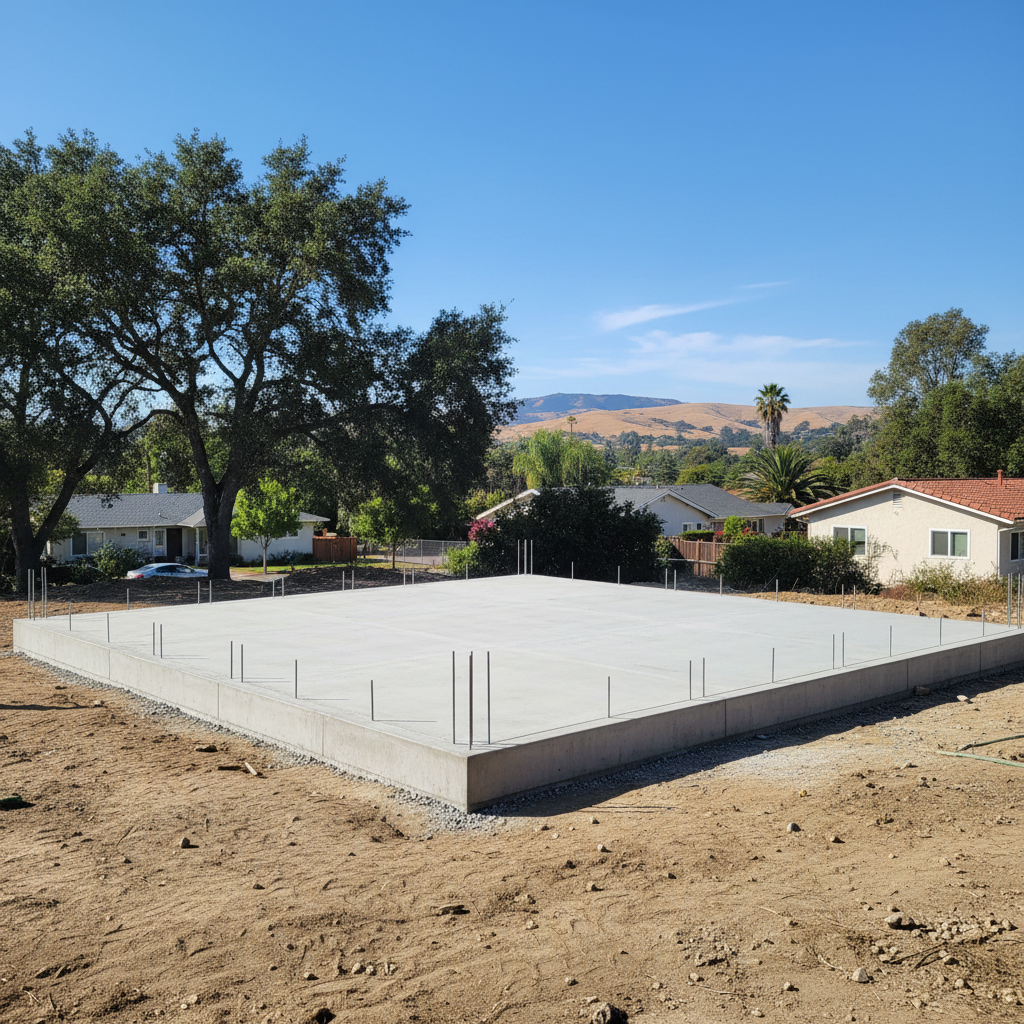
Alright, let's talk foundations. It's not the sexiest part of a build, I know, but it's probably the most critical. You wouldn't build a house on sand, right? Well, metaphorically speaking, a cheap or poorly planned foundation is exactly that. Here in Palo Alto, with our mix of older homes and new construction, I see a lot of questions about foundation costs. People want to know what they're getting into, and frankly, some contractors aren't always clear. So, I'm going to lay it out for you.
What Makes Foundation Costs Go Up (or Down)?
There's no one-size-fits-all answer for foundation pricing, and anyone who tells you otherwise is probably selling something. A lot of factors play into the final number. Here are the big ones:
- Type of Foundation: This is huge. A simple slab-on-grade is generally the cheapest. A raised foundation with a crawl space costs more because you're dealing with more labor, materials for stem walls, and often a more complex drainage system. Then you've got basements, which are a whole different ballgame – excavation, waterproofing, structural retaining walls, egress windows, all that adds up significantly.
- Soil Conditions: This is a massive factor, especially around here. Palo Alto has areas with expansive clay soils, particularly closer to the Baylands. These soils swell when wet and shrink when dry, which can put immense pressure on a foundation. If your soil report (and you absolutely need one) shows problematic soil, you might need caissons, grade beams, or a post-tension slab to ensure stability. That's extra engineering and extra cost, but it's non-negotiable for long-term structural integrity.
- Size and Complexity of the Structure: Bigger house, bigger foundation. More corners, more offsets, more load-bearing walls – all these things add complexity and labor to the foundation pour and framing. A simple rectangular footprint is always more cost-effective than a multi-angled, stepped foundation.
- Site Accessibility: Can a concrete truck easily get to your pour site? Do we need to pump concrete a long distance? Is there a steep slope? These logistics can add to equipment rental and labor costs.
- Permits and Engineering: You can't just dig a hole and pour concrete. You'll need permits from the City of Palo Alto, and a structural engineer's stamp is mandatory for any new foundation or significant alteration. These aren't cheap, but they're essential for safety and compliance.
Typical Cost Ranges for Foundations in Palo Alto
Okay, let's get down to some numbers. Keep in mind these are rough estimates for typical residential projects in our area. These figures don't include extensive site prep like demolition, tree removal, or major grading beyond what's needed for the foundation itself.
- Slab-on-Grade Foundation: For a pretty straightforward slab, you're usually looking at around $10 to $20 per square foot. This includes excavation, vapor barrier, rebar, concrete, and finishing. So, a 2,000 sq ft house might be $20,000 to $40,000.
- Raised Foundation with Crawl Space: This type, common in older Palo Alto homes, typically runs $25 to $45 per square foot. This accounts for the extra labor for stem walls, footing, framing for the crawl space, and sometimes a sub-floor. For that same 2,000 sq ft house, you're now in the $50,000 to $90,000 range.
- Basement Foundation: This is where costs jump significantly. You're talking $80 to $150+ per square foot, and that's just for the foundation shell. This includes major excavation, waterproofing, retaining walls, and often a sump pump system. A 1,000 sq ft basement could easily be $80,000 to $150,000 or more, not including finishing the interior space.
Remember, these are just the foundation. They don't include the framing above it, plumbing, electrical, or anything else. It's literally just the concrete and rebar that holds your house up.
What Should Be Included in a Foundation Quote?
When you get a quote from a contractor, make sure it's comprehensive. A good quote from a company like Palo Alto Custom Homes will break down the costs clearly. Here's what you should expect to see:
- Excavation and Grading: Digging out the footings, leveling the site, and hauling away excess dirt.
- Formwork: Materials and labor for building the forms that hold the concrete in place.
- Rebar/Reinforcement: The steel bars that give the concrete its strength. This includes placement and tying.
- Vapor Barrier/Waterproofing: Especially important for slabs and basements to prevent moisture intrusion.
- Concrete Materials: The cost of the concrete itself, delivered to your site.
- Concrete Pumping (if needed): If direct truck access isn't possible.
- Labor: For all the above tasks, including skilled finishers.
- Inspection Fees: Though sometimes these are rolled into the general permit costs.
- Engineered Plans: The cost for the structural engineer to design and stamp the foundation plans.
- Soil Testing: The initial geotechnical report.
What's often not included in a foundation-specific quote are things like plumbing rough-ins (pipes embedded in the slab), electrical conduits, or any landscaping restoration after the foundation is complete. Make sure you clarify these points.
How to Avoid Overpaying for Your Foundation
Nobody wants to get ripped off, especially on something so fundamental. Here are my tips:
- Get Multiple Bids: This is foundational (pun intended) to any construction project. Get at least three detailed quotes from reputable contractors. Don't just go with the cheapest; compare what each bid includes.
- Review the Soil Report Carefully: Understand what the geotechnical engineer recommends. This report dictates a lot of the foundation design and cost. If a contractor tries to cut corners on the engineer's recommendations, that's a huge red flag.
- Ask for Specifics: Don't accept vague line items. Ask exactly what type of rebar, concrete strength, and waterproofing membrane they're using. A good contractor will be happy to explain it.
- Check References and Licenses: Always, always, always. Make sure they're licensed by the CSLB (Contractors State License Board) and have good reviews.
- Understand the Contract: Read every word. Know what's included, what's excluded, and what the payment schedule looks like.
- Don't Rush: A foundation is not something you want to hurry. Take your time in the planning and bidding phase. It pays off in the long run.
Your foundation isn't just concrete; it's the bedrock of your home's future. Investing wisely here means peace of mind for decades to come. Don't skimp, but don't overpay either. Do your homework, ask the tough questions, and you'll get a solid start to your project.