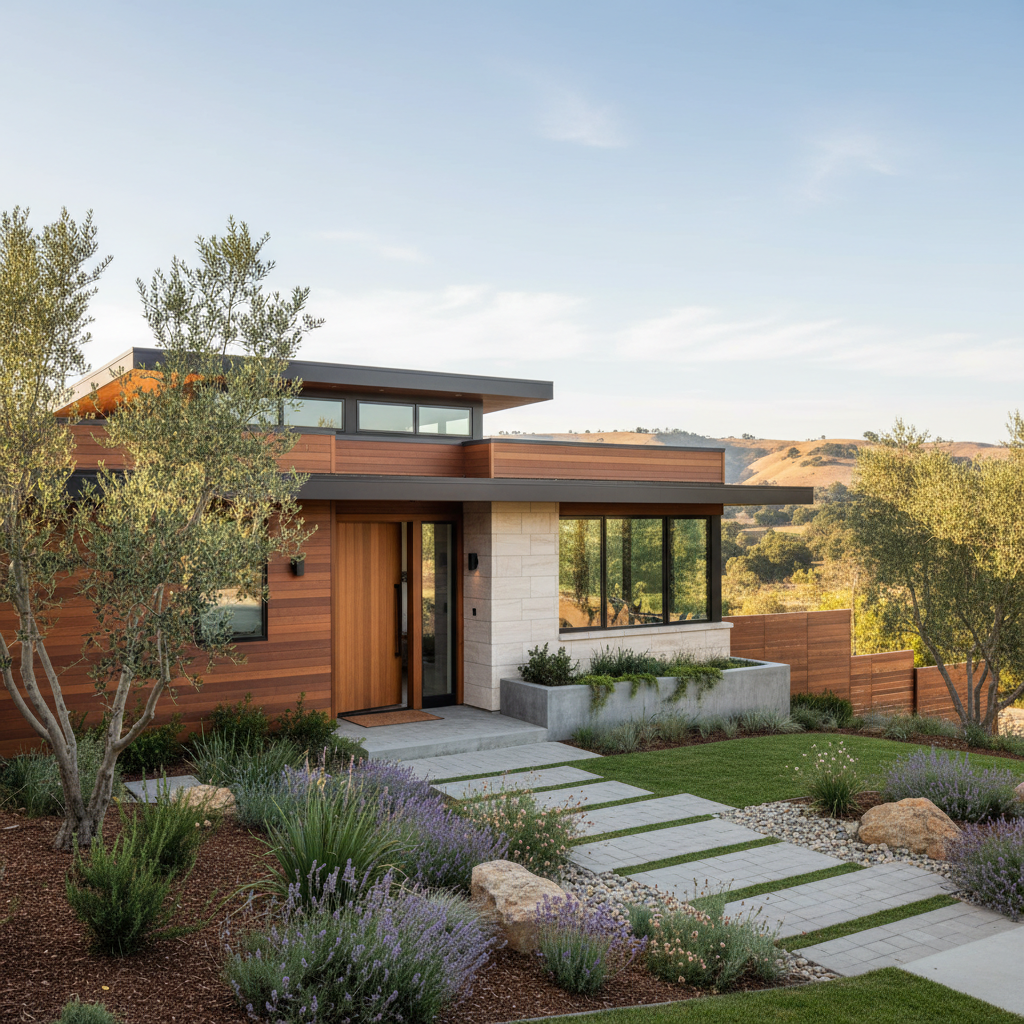
Alright, you're ready to build your dream home here in Palo Alto. That's exciting! But let's be real, finding the right custom home builder can feel like a minefield. Everyone's got a website, everyone says they're the best. How do you cut through the noise and find someone you can trust with what's probably your biggest investment?
I've been doing this for a long time at Palo Alto Custom Homes, and I've seen it all. Here's my honest take on how to approach this critical decision, focusing on what you need to know beyond just the price tag.
What to Ask Potential Builders (And Yourself)
Don't just ask about cost per square foot. That's a trap. You need to dig deeper. Think about the whole process, not just the finished product.
- "Can I see your current projects?" Don't just look at pretty pictures on a website. Ask to walk through a project that's underway. See how they keep the site clean, how their crew interacts, and the quality of the work in progress. It tells you a lot about their organization and attention to detail.
- "How do you handle changes during construction?" Changes happen. It's part of custom building. You want a clear process, not a builder who sees every change order as an opportunity to nickel and dime you. Ask for examples of their change order forms and how they communicate cost impacts.
- "What's your communication style?" Seriously, ask this. Some builders prefer weekly meetings, others daily calls, some just email. You need someone whose style matches yours. Miscommunication is a massive source of stress in any project.
- "Who will be my primary point of contact?" Is it the owner? A project manager? You need to know who you'll be calling when you have a question or concern.
- "How do you manage subcontractors?" Are they using the same trusted subs for years, or just whoever's cheapest this week? A good builder has strong relationships with their subs, which means better quality and fewer headaches for you.
- "What's your warranty and post-completion support like?" The house is done, but things can still pop up. What's their policy for fixing issues after you move in? Get it in writing.
Decoding the Quote: More Than Just a Number
A quote isn't just a total. It's a detailed breakdown of how that total is reached. If it's just a single page with a lump sum, walk away. Immediately.
- Detailed Line Items: You want to see everything broken down: excavation, foundation, framing, plumbing, electrical, HVAC, roofing, windows, insulation, drywall, flooring, cabinetry, paint, fixtures, landscaping, permits, and so on. Each major component should have its own line.
- Allowances: These are estimates for items where the final selection hasn't been made yet (like light fixtures, tile, appliances). Make sure these allowances are realistic for your taste and the Palo Alto market. A builder might lowball an allowance to make their total bid look cheaper, only for you to get hit with huge overages later. For example, if you're looking at a high-end kitchen, an allowance of $5,000 for appliances is a red flag.
- Exclusions: What's NOT included? This is just as important as what is. Are architectural fees included? Landscaping? Utility hookups? Driveway paving? Don't assume anything.
- Payment Schedule: How often do they bill? What are the payment milestones? A fair schedule ties payments to completed work, not just arbitrary dates. You shouldn't be paying large sums far in advance of work being done.
- Contingency: A good builder will often include a contingency line item, usually 5-10% of the project cost. This isn't a hidden profit; it's a buffer for unforeseen issues. It's a sign of realistic planning, especially with older homes in areas like Old Palo Alto where you never know what you'll find when you open up a wall.
Red Flags You Can't Ignore
Some things should make you hit the brakes, no matter how good the builder seems or how low their bid is.
- Demanding too much money upfront: A reasonable deposit is fine, but if they want 30-50% before work even starts, that's a huge risk.
- No references, or only old ones: A reputable builder should be happy to provide recent client references. Call them! Ask about communication, problem-solving, and if they'd hire them again.
- Unwillingness to provide proof of insurance: They need general liability and workers' compensation insurance. No exceptions. If they can't provide current certificates, don't even think about it.
- Pushing you to get permits yourself: This is a builder's responsibility. If they're trying to offload it, they might be cutting corners or lack the proper licensing.
- Quotes that are significantly lower than others: While everyone loves a deal, if one bid is drastically cheaper, there's usually a reason. It could mean they've missed something big, plan to use inferior materials, or will hit you with massive change orders later.
- High-pressure sales tactics: "Sign today or the price goes up!" A good builder doesn't need to strong-arm you.
- Lack of a clear contract: Everything needs to be in writing. A vague contract protects no one.
Verifying Legitimacy: Do Your Homework
It's not enough to just take their word for it. You need to verify they're a legitimate, qualified business.
- Check their CSLB license: Go to the California Contractors State License Board (CSLB) website (cslb.ca.gov). Look up their license number. Make sure it's active, in good standing, and that the classification (e.g., B-General Building Contractor) is appropriate for your project. Check their history for disciplinary actions.
- Verify insurance: Ask for current certificates of insurance for both general liability and workers' compensation directly from their insurance provider, not just a copy from the builder.
- Look for online reviews: Sites like Yelp, Google Reviews, Houzz, and Angi can give you a general sense. Take them with a grain of salt, but look for patterns. Are there consistent complaints about communication, budget, or quality?
- Ask about their business structure: Are they a sole proprietor, LLC, or corporation? It's not a deal-breaker either way, but it's good to know.
- Confirm their physical address: Do they have a real office, or is it just a P.O. Box? While many small businesses work from home, a legitimate business usually has a clear operating base.
Building a custom home is a marathon, not a sprint. Take your time, do your due diligence, and trust your gut. If something feels off, it probably is. You're looking for a partner, not just someone who swings a hammer. Choose wisely, and you'll be enjoying your beautiful new Palo Alto home for years to come.